
Coastal Protection That Holds Up Every Season
Siding in Florence for homes exposed to salt air and moisture year-round
Wind-driven rain no longer stains the exterior trim, and moisture buildup behind the walls stops showing up as soft spots near window frames. Home Improvement Experts installs and replaces siding across Florence with materials and methods that account for what coastal weather does to vertical surfaces over time. Homes within two miles of the shoreline face conditions that accelerate rot, and improper flashing details allow water to travel behind cladding even when the surface looks intact.
The service addresses both visible siding damage and the concealed rot or moisture intrusion that develops underneath, often unnoticed until the structure itself begins to fail. Fiber cement, vinyl, wood, and engineered siding options are matched to your home's exposure level, and each installation includes weatherproofing details that account for wind direction and seasonal storm patterns common along this section of the Oregon coast.
Schedule a siding consultation to review material options based on your home's specific exposure and existing conditions.
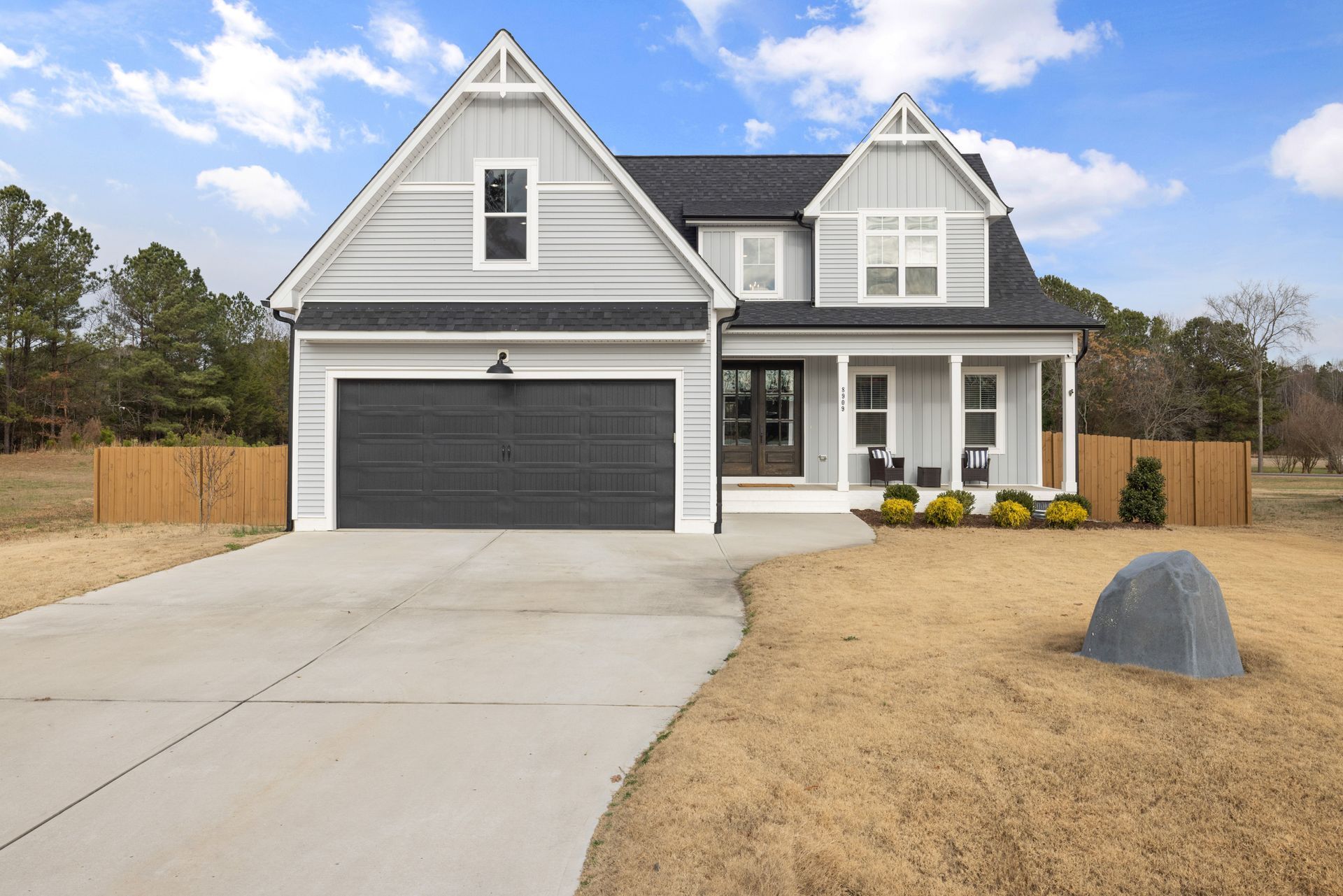
What Gets Fixed Before New Siding Goes On
Siding replacement begins with an inspection of sheathing, framing, and any area where water has traveled behind the old material. Damaged sections are removed, rot is cut back to solid wood, and moisture barriers are installed with overlapping seams that shed water rather than trapping it. Flashing around windows, doors, and trim is rebuilt to direct runoff away from vulnerable joints, and corner boards are sealed before the first course of siding is fastened.
Once installation is complete, you'll notice that corner joints fit tightly without gaps, water no longer darkens the wood trim during storms, and the exterior surface sheds rain evenly without streaking or pooling. Coastal fog and salt spray stop penetrating the wall assembly, and the structure underneath remains dry through winter months when moisture problems typically worsen.
Products are selected not just for appearance but for their ability to resist UV degradation, expand and contract without cracking, and tolerate the freeze-thaw cycles that occur even in moderate coastal climates. Some materials perform better in full sun exposure, while others handle shaded north-facing walls where moisture lingers longer after rain events.
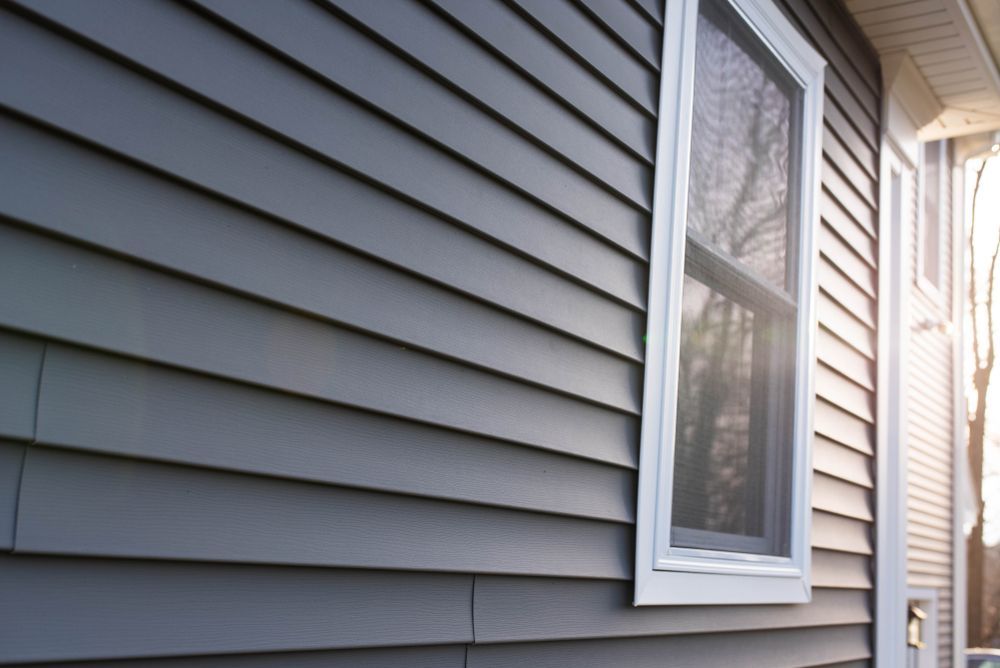
Questions Homeowners Ask About Siding Work
These questions address what happens during the project and what you should expect from both the process and the completed installation.
What causes siding to fail faster near the coast in Florence?
Salt air accelerates corrosion of fasteners, wind-driven rain forces water behind improperly flashed seams, and high humidity prevents materials from drying out between storms, leading to rot in wood-based products and deterioration of sealants.
How is moisture damage behind siding identified before removal?
A moisture meter detects elevated readings through the surface, soft spots indicate decayed sheathing, and visual stains or discoloration around windows and trim suggest water has been traveling behind the cladding.
What happens if sheathing or framing is damaged during teardown?
Rotted sections are cut back to sound material, new framing members are installed and fastened to existing structure, and sheathing is replaced with moisture-resistant panels before any new siding is applied.
Why does fiber cement perform well in coastal weather?
It resists rot, does not warp when exposed to moisture cycles, holds paint longer than wood, and maintains dimensional stability in high humidity without expanding or shrinking as dramatically as other materials.
When should siding be replaced rather than repaired?
Replacement makes sense when more than thirty percent of the surface shows damage, when water intrusion has compromised sheathing or framing, or when the existing material no longer provides adequate weather protection despite localized repairs.
Home Improvement Experts evaluates both surface condition and structural integrity before recommending a repair or replacement approach. Request a
property assessment to determine what's needed based on current siding performance and moisture exposure patterns specific to your home's location.